📌 Key Takeaways: The NFT market is maturing fast. Watch for the shift from speculative profile pictures to real utility, the growth of community-owned collections, improving liquidity, and clearer regulation. Collectors who focus on long-term value rather than hype are best positioned in 2026.
1. Introduction
Non-fungible tokens (NFTs) have transformed how we think about digital ownership. What started as pixel-art collectibles has grown into a multi-billion dollar ecosystem spanning art, gaming, music, ticketing, real estate and digital identity. For collectors, understanding the underlying market trends is the difference between buying into a fading fad and building a long-term collection of real value.
This guide examines the most important NFT market trends every collector should watch in 2026. By the end, you will know which signals matter, which to ignore, and how to position yourself ahead of the next cycle.
💡 Quick Fact: NFT trading volumes have stabilised after the 2021-2022 hype cycle, but the number of active wallets interacting with NFTs continues to grow, signalling deeper real-world adoption rather than speculation alone.
2. Why Market Trends Matter
Long-term collectors treat NFTs as an asset class with its own market cycles. Trends tell you where capital is flowing, which narratives are gaining momentum, and when sentiment is shifting. Ignoring these signals leaves you buying when everyone else is selling.
- Narrative Cycles: Markets rotate between themes like PFP art, gaming NFTs, music and real-world assets.
- Seasonality: Interest often spikes after major industry events or bull-market phases in crypto.
- Data Availability: On-chain analytics let you track floor prices, volume and holder distribution transparently.
- Institutional Entry: Brands and institutions entering the space create new demand floors.
3. Rising Utility & Real-World Value
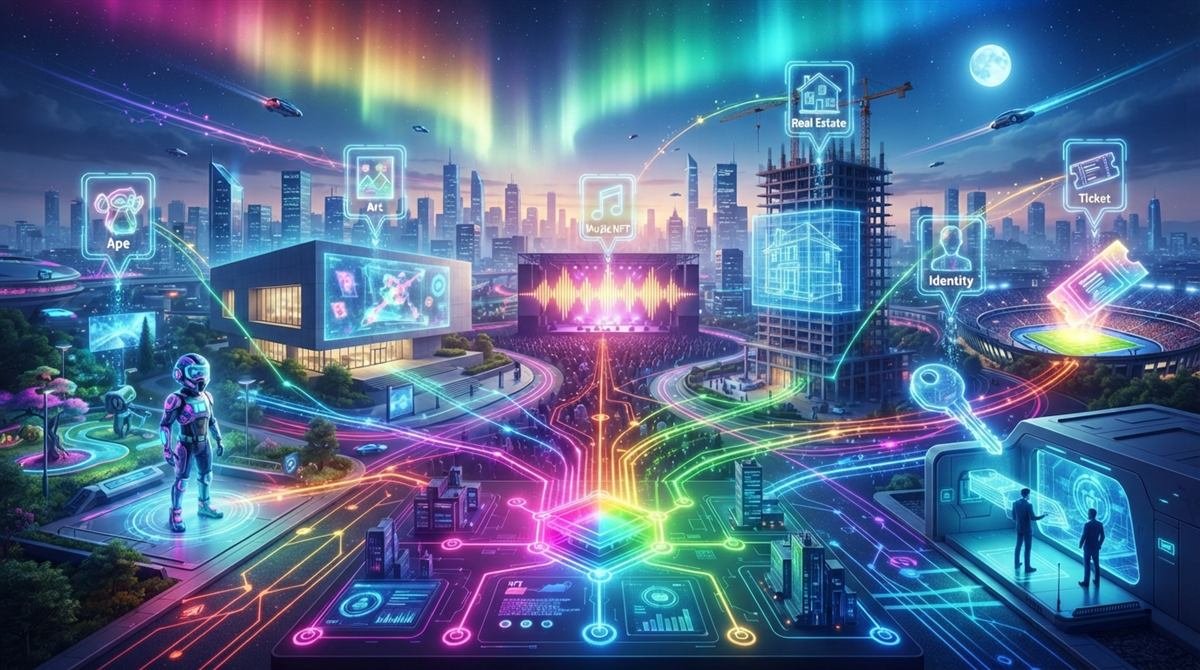
The biggest shift in the NFT market is the move away from simple collectibles toward assets with real utility. Collectors are increasingly valuing NFTs that provide access, membership, rewards, or yield.
3.1 Utility Categories
| Utility Type | Example | Why It Matters |
|---|---|---|
| Access & Membership | Community passes, event tickets | Ongoing demand from utilities and perks |
| Loyalty & Rewards | Brand loyalty programs | Drives repeat engagement and retention |
| Defi Collateral | NFT-backed loans | Adds financial utility to digital assets |
| Gaming Assets | In-game items and characters | Creates active economies and usage |
| Digital Identity | Domain names, credentials | Long-lived, practical use cases |
The trend toward utility means floor prices are increasingly supported by fundamentals rather than hype. When an NFT gives you an actual reason to hold it, demand becomes more durable.
🔍 Collector Tip: Before buying any NFT, ask: "What can this NFT do for me beyond resale?" The strongest collections answer with concrete, verifiable utility.
3. Blue-Chip vs Micro Collections
One of the clearest trends is the widening gap between blue-chip collections and smaller micro projects. Blue chips like leading PFP collections maintain high floor prices and strong liquidity, while micro collections become increasingly speculative.
- Blue-Chip Collections: Larger supply, strong brand recognition, active trading and a loyal community.
- Mid-Tier Collections: Established but smaller, often driven by a single strong narrative.
- Micro Collections: Highly volatile, low liquidity, and high risk of total value loss.
⚠️ Risk Reminder: Micro collections can lose 90%+ of their value. Only allocate a small portion of your portfolio to high-risk NFTs, and never invest money you cannot afford to lose.
5. Community & Hype Cycles
Community is the backbone of every successful NFT project. Trends show that collections with engaged communities consistently outperform those with empty Discord servers, even when artwork is similar.
Watch for these community signals:
- Active daily discussion and low member turnover.
- Transparent leadership and regular project updates.
- Collaborations with other established communities.
- Real cultural moments or milestones that create organic buzz.
📊 The Takeaway: Hype fades, but culture compounds. Projects that build genuine community tend to hold value across market cycles.
6. Liquidity & Trading Patterns
Liquidity is the lifeblood of any NFT market. A collection can have a high floor price, but if nobody is buying or selling, you are technically rich and practically stuck.
6.1 Key Metrics to Watch
- Floor Price: The cheapest listed NFT in a collection.
- 24h Volume: How much is actually trading right now.
- Listed vs Supply: High listing ratios suggest sell pressure.
- Unique Holders: Widely distributed holdings are healthier.
- Creator Royalty Rates: Lower royalties can attract traders but reduce creator funding.
Use these metrics to avoid collections that look valuable on paper but have no real marketplace behind them.
7. Tokens, Rewards & Gamification
Hybrid NFT projects that combine tokens with digital assets are becoming a major trend. By earning rewards, staking collections, or participating in on-chain games, holders gain an extra reason to stay engaged.
- Staking: Locking NFTs to earn tokens or yield.
- Play-to-Earn: Gaming NFTs that generate passive income.
- Reputation Systems: NFTs as on-chain badges and credentials.
These mechanics blur the line between NFT and DeFi, and they reward holders who understand both ecosystems.
8. Regulation & Market Maturity
Regulators around the world are starting to classify NFTs and their associated tokens. Clearer rules bring both challenges and opportunities:
- Projects will be forced to be more transparent about utility and rights.
- Investor protection improves, reducing outright scams.
- Institutional investors gain the confidence to participate.
- Some projects may need to restructure to comply with securities law.
🔍 What It Means: More regulation means a safer market for serious collectors, but fewer overnight riches from unregulated hype.
9. Frequently Asked Questions
What is the biggest NFT trend in 2026?
The biggest trend is the shift from speculative collectibles toward NFTs with real utility - access passes, gaming assets, loyalty rewards and digital identity.
Are blue-chip NFTs a safe investment?
No asset is completely safe. Blue-chip NFTs are less volatile and more liquid than micro projects, but prices can still fall sharply. Always do your own research and invest only what you can afford to lose.
How important is community in NFT projects?
Extremely important. Communities drive demand, floor price support, and long-term retention. Projects with weak communities rarely survive market downturns.
Should collectors worry about NFT regulation?
Regulation mostly benefits collectors by reducing scams and adding transparency. Just make sure the projects you own comply with evolving rules in your jurisdiction.
10. Conclusion
The NFT market has matured from a hype-driven free-for-all into a nuanced asset class with real economic activity. Collectors who watch utility, community, liquidity, and regulation - and who ignore short-term noise - will be the ones who succeed.
Start small, focus on projects you genuinely understand, track on-chain data relentlessly, and let trends guide you rather than dictate to you. The NFT market rewards patience, research, and conviction.
For more NFT insights and guides, explore our NFTs section or browse all articles on our All Blogs page.